
Tufnol SRBP Materials - Paper-Based Laminate Grades
(Also known as Synthetic Resin Bonded paper or SRBP)
Phenolic paper-based laminate grades
These synthetic resin-bonded paper materials are strong, rigid and economical with good electrical insulation properties. They are used in a wide range of electrical installations, and in equipment where rigid electrical insulation is required.
The higher specification synthetic resin-bonded paper materials are chosen for higher voltage and for greater electrical stability in conditions of varying humidity.
The lower specification paper-based laminate grades represent excellent value as rigid non-metallic materials and this results in their use in a wide range of less demanding applications.
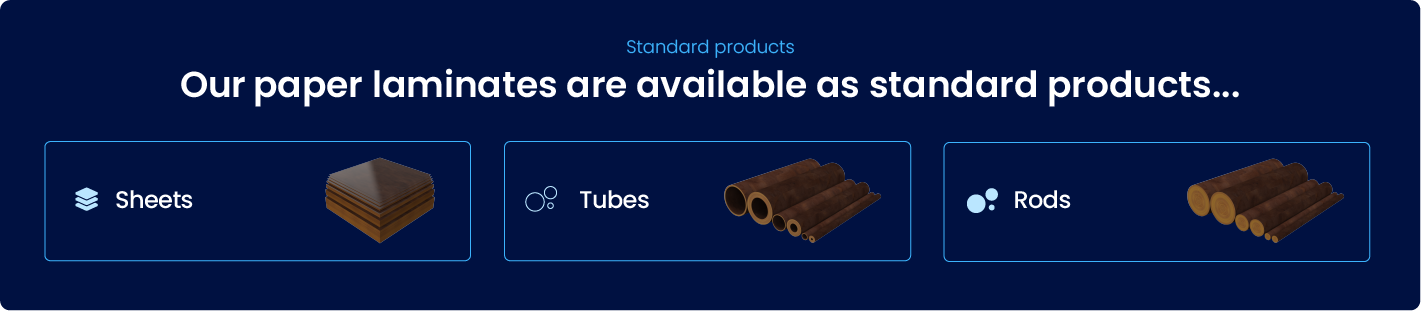
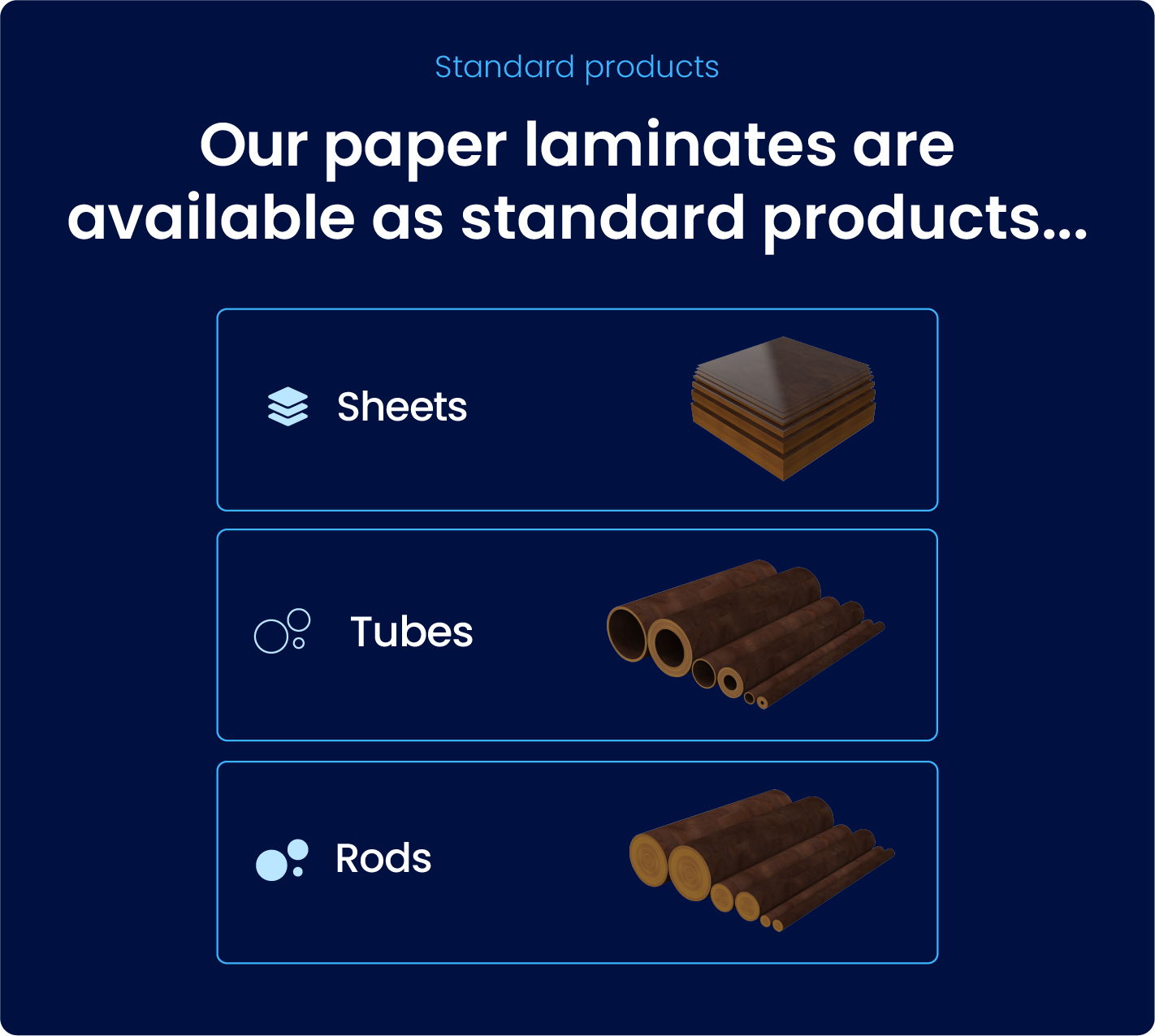
See below for our full range of synthetic resin-bonded paper-based laminated materials.
FAQs
Paper Laminate FAQs
High-temperature electrical insulation calls for woven glass fabric laminates (SRBGF), which keep their dielectric strength and resistance to surface tracking at elevated temperatures. For the highest temperatures, the Tufnol range includes the silicone glass grade 10G/50 and the polyimide glass grade 6G/92, while the epoxy glass grades combine high strength with good electrical insulation. Check the rated temperature limit for each grade on the Tufnol working temperatures guide.
For rigid electrical insulation supplied as sheet, the main choices are phenolic paper (SRBP) for general switchgear and busbar insulation, cotton fabric laminates (SRBF) where mechanical strength is also needed, and woven glass fabric laminates (SRBGF) for the highest voltage and temperature duty. All are cut to size and machined to close tolerances. Kite Brand, the most widely used Tufnol phenolic sheet grade for general electrical insulation, is in the paper laminates (SRBP) range.
Electrical insulation is material used to prevent unwanted flow of current between conductors or to earth, keeping equipment safe and reliable. In heavy electrical equipment that job is done by rigid insulating components – busbar supports, coil formers, slot wedges, washers and switchgear panels – rather than flexible tape. Tufnol makes these from phenolic, cotton fabric and glass fabric laminates. Browse the full range of Tufnol materials.
Phenolic is a thermosetting resin (phenol formaldehyde) that sets hard and heat-stable once cured. In laminate form, the form Tufnol makes, layers of paper or woven cotton are impregnated with phenolic resin and pressed under heat to create a strong, rigid material with good electrical insulation and excellent machinability. It is the basis of Tufnol’s paper (SRBP) and cotton fabric (SRBF) grades. See the phenolic paper grades on the paper laminates page.
Tufnol is made from layers of reinforcement – paper, woven cotton fabric or woven glass cloth – impregnated with a thermosetting resin, usually phenolic or epoxy, then stacked and cured under heat and high pressure into a solid sheet, rod or tube. The reinforcement and resin chosen set the grade’s properties, from economical electrical insulation to tough mechanical parts. Explore the cotton fabric grades on the fabric laminates page.
Tufnol laminates are used for electrical insulation, gears, cams, bearings, washers, structural parts and machined components across electrical, aerospace, marine, rail, oil and gas and general engineering. The grade is matched to the job – phenolic paper for switchgear insulation, cotton fabric for hard-wearing mechanical parts, glass epoxy for high strength and temperature.